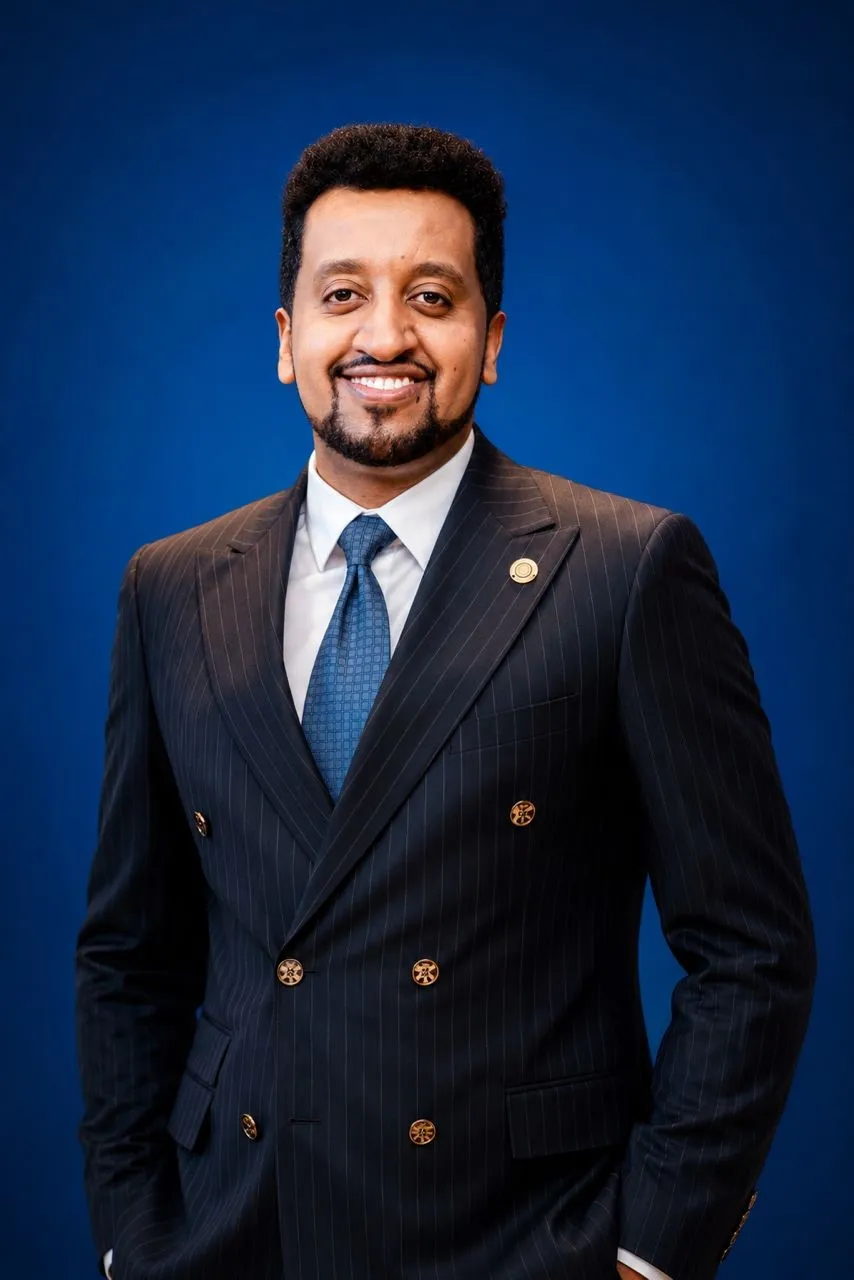
The shared philosophy connecting Toastmasters, Rotary, and my own professional journey is the belief that leadership is built through service, practice, and continuous growth. Become better so you can do better for others.
The Intersection of Communication and Service
Toastmasters’ focuses on intentionality towards personal development initiatives that look at benefiting communities within their membership while Rotary focuses on community service initiatives that are more public facing towards benefiting communities outside of their membership. The bylaws and programs that are designed in both organizations reflect this fundamental difference I have clearly observed. For example; in Rotary’s global grant projects, Rotarians can only act as volunteers to serve in leading projects but cannot engage themselves or their personal organizations due to strict conflict of interest as all proceeds go towards meeting beneficiaries. In Toastmasters members are encouraged to bring in projects, public speaking, and communication initiatives that can primarily benefit and also contribute to their professional and leadership development.
This becomes clearer when we look at the commonalities first because in both organizations there is always an aspect of service. Be it in the board of Toastmasters where people volunteer to take roles, or in the board of a Rotary club where Rotarians do the same. Service and leadership go hand in hand. That is why there is a global partnership agreement to collaborate and grow both organizations to make impact on the communities they serve. Thus, through join trainings on communications, public speaking and leadership skills it is viable to engage members in both organizations towards personal development, because even volunteers need the skill set and capacity in communicating and building relationships to be able to effectively serve their roles.
Firsthand is public speaking. People follow and mobilize around a leader’s vision when they can confidently express their strategy and vision clearly to their followers. Be it members in Toastmasters or Rotary. One of the key elements of leadership, especially when you are mobilizing volunteers that are not being paid, that are giving their time and resources, is the ability to speak and express your ideas while also being able to listen, accept criticism and be evaluated as a leader. Toastmasters gave me these qualities which enabled me to influence, mobilize and make an impact throughout my leadership journey be it in Ethiopia and beyond in the district.
Good that this is also brought up. As a leader, beyond acquiring the skills to be an efficient communicator and public speaker, you also need to be humble enough to serve others beyond your personal ambitions. Rotary teaches you that balance. That service and leadership complement each other because it enables us to create empathetic leaders, leaders that think of the greater good beyond themselves, leaders that listen and respond to aid others beyond their own growth journey. This, I have applied during my Presidency in Toastmasters to engage more members, create platforms for training and personal growth including pushing toastmasters to engage in community activities. It is complimentary and more benefits rather than being exclusive. Leaders that have both qualities are very lucky because they have a broader viewpoint of what truly matters.
Professional & Civic Impact
It helped me to a considerable extent. Every aspect of my specialization in communications, PR or building partnerships requires you to build relationships. To instill confidence in the clients you are working with. Be it Government, civil society or international development partners. For each of these outputs or engagement you need effective public speaking, communication and leadership skills. You must build trust, confidence and competence. Be it sitting in a meeting room with high level Minsters presenting a national strategy or pitching a project to secure mega funding from a global financing firm worth hundreds of millions of dollars. You need to have early planning, clarity in your presentation, expression, body language, humor, ability to listen to viewpoints and mark improvements to design better strategies. Toastmaster teaches you that. While at the same time, you instill the principles of service, of impact beyond strategy, of reaching communities that will benefit from the implementation and design it in your engagement. Rotary teaches you that servant mentality. Then you win the room. Because there won’t be anyone better than comes with both viewpoints.
We do not promote and talk about what we do. Simple. This is a topic I always raise in both organizations. We do not engage the media, build mega partnerships with key actors in Government, Civil Society and the private sector. Host mega conferences that solely focus on building these skills for young professionals. Even sharing the incredible impact, we are making every day. This is something that needs to be embedded in every strategy we put in the year plan. If people do not know what we do, they cannot approach us, contact us and ask questions. We need to create platforms to bring people together in one room.
They bring the soft skills and values required in bringing effective leaders by creating platforms and opportunities for members to engage where academic curriculum cannot. This is the fundamental difference. Not because they don’t want to but because the designs in policy, resource allocation and implementation are just different. Thus, trying to change one or both is not the solution. Making them complement each other is.
I think Rotary in my honest opinion, because beyond my personal growth, Rotary demands you to give a little more to others. Yes, the service aspect in taking leadership roles in Toastmasters does take your time but Rotary makes you passionate to realize impacts that can transform lives beyond your members. Thus, you push yourself a little more to ensure that happens.
Collaboration
Again, the new adopted bylaws of both organizations internationally creating a partnership is intended for this very purpose. As said before, there are key commonalities in the structure, governance and leadership aspects that can be applied towards the intended intentions of both organizations. It is my belief that people who are Toastmasters and in Rotary share fundamental values to grow, serve and make an impact in their own way. I believe that it truly provides an opportunity to design joint projects that can make a broader impact in communities from both organizations.
There are plenty of overlaps here. Toastmasters and Rotary clubs can collaborate by combining Rotary’s community service network with Toastmasters’ strength in communication and leadership training. For example, they could run joint youth leadership workshops, public speaking bootcamps, career readiness sessions, community project pitching events, and mentorship programs for young professionals. We both do it in our clubs. It’s about designing them at a country level for more impact and resource allocation. Rotary can provide real community challenges and service opportunities, while Toastmasters can help young people learn how to speak, organize ideas, lead meetings, and present solutions with confidence. This kind of partnership would create visible value because young professionals would gain practical skills, and communities would benefit from better communicated service projects.
They both play a very important role in shaping Ethiopia’s next generation of leaders because they give young people something that schools and workplaces do not always provide consistently: a safe space to practice leadership. You asked this question earlier. In Toastmasters, young people learn to speak, listen, receive feedback, and build confidence step by step. In Rotary, they learn service, responsibility, teamwork, and how to respond to real community needs. That is what makes them different from academic spaces. Together, these communities can help young people move from ambition to action by giving them mentors, networks, discipline, and opportunities to lead before they are given formal titles. That kind of early exposure can shape leaders who are not only confident but also grounded in service.
The shared philosophy connecting Toastmasters, Rotary, and my own professional journey is the belief that leadership is built through service, practice, and continuous growth. Toastmasters teaches that confidence does not come overnight; it grows when we keep showing up, speaking, listening, and improving. Rotary teaches that leadership is not only about personal success, but about using our abilities to serve others and create positive change. In my own journey, I see the same lesson: growth becomes meaningful when it helps both the individual and the community. You cannot be a leader that knows everything. This is mostly overlooked and it doesn’t work. For me, the common thread is simple: become better so you can do better for others. And that has made me grow and be where I am today.